

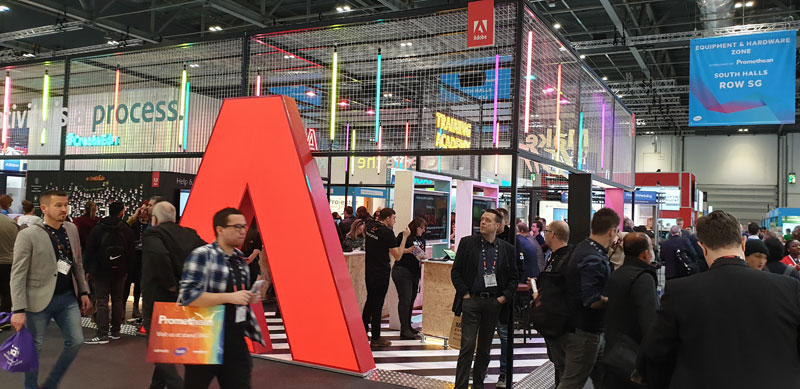
I’ve been attending the BETT show pretty regularly now for over 20 years, sometimes to work on a stand but mostly as a visitor. And every year BETT leaves me with mixed feelings – there’s a lot of good stuff on show, but I often find the whole experience a little overwhelming. Things weren’t helped this year as I was suffering from a cold so I may have been a bit too grumpy to deal with some of the shiny happy salespeople who jump you whenever you stop to get your bearings! January wasn’t even over and already I’ve had enough of the “2020 vision” puns. Please stop it!
Every year I hope to see something that makes me go “wow” and every year it just feels like everything is bigger, shinier and all-singing, but not necessarily better. I like interactive whiteboards, that’s hardly a surprise given the name of this blog, but now that screens have replaced projectors all we really see are bigger and higher resolution boards. There’s not a lot of innovation there, they’re good but that market feels a bit static right now. Same goes for iPads. There seemed to be a much reduced prescence of 3D Printers and even Virtual Reality seemed a little more sparse than in recent years. There were plenty of of little codable robots and STEM kits everywhere.
So anyway, BETT 2020 experimented with another layout change to mask the falling number of exhibitors. The Education Show that used to be later in the year, was again rolled into BETT which made for some interesting non-ICT focussed stands to explore. Like last year, BETT occupied 2 different halls but more equally spread. The gangways were much wider, which was good for moving around but helped fill the space. There were also some massive overseas stands with a great footprint but not a lot going on inside – Saudi Arabia, Turkey and more. BETT is increasingly a global sales platform. Which isn’t necessarily a bad thing, just becoming more apparent.
Here’s some of the things that caught my eye.
Prowise were back with a bigger stand than before (and good coffee) and demonstrating their updated version 10 of Prowise Presenter. I’ll cover this in a separate post soon. The software runs in your browser with nothing to install, and it’s free to use even if you don’t have a Prowise board. Check it out.
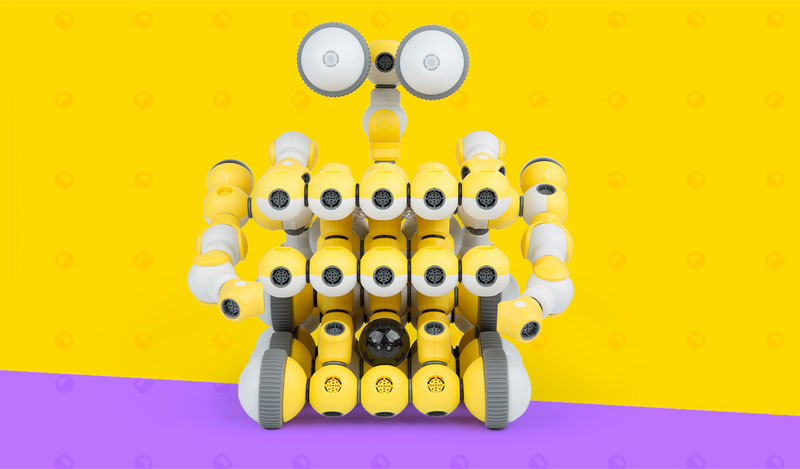
Creative Hut were showing off some interesting MakeBlock coding robots and other STEM toys. Their panda-shpaed mTiny roamer was very cute – aimed at Early Years and KS1 children using coding cards and various themed map blocks to guide the child in exploring, perceiving, and creating through interactive, stimulating, and fun games. Scan the instructions with the

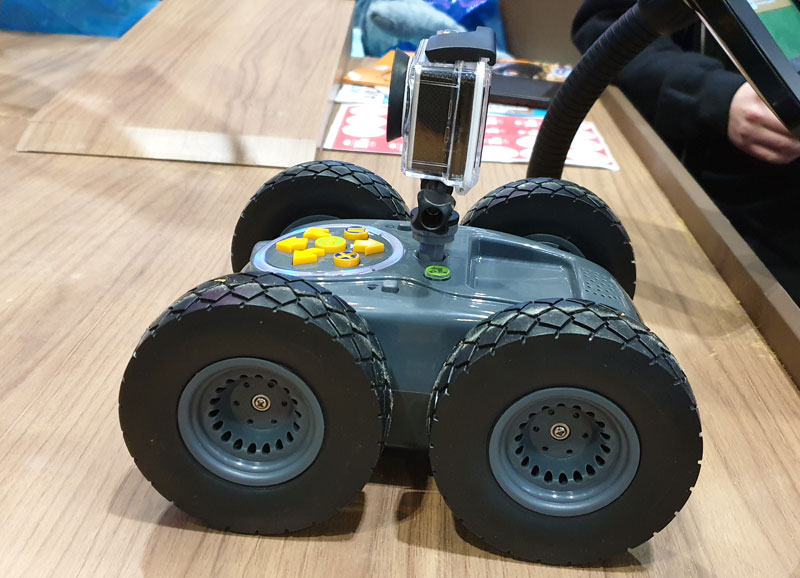
The always-wonderful TTS were demonstrating their new Rugged Robot, basically an off-road BeeBot. The first programmable robot designed for outdoor use. I can see lots of opportunities for taking roamers out of the classroom. Add a Go-Pro to the top and send it off to explore the school grounds like a Mars Rover. The buggy can be controlled via an iPad app using Bluetooth or using a the TTS TacTile Code Reader. An obstacle sensor which can be turned on and off will detect obstacles in front of the robot and reverse and rotate 45 degrees before carrying out the rest of the program.
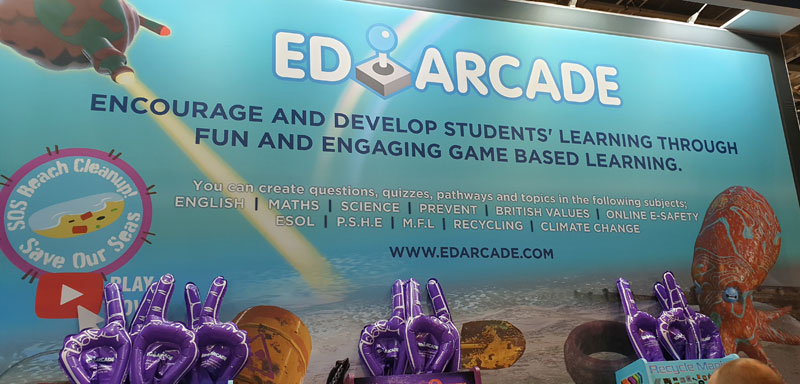
EDArcade is an educational games package that has been developed to allow Primary School pupils all over the world to learn core and tough to teach topics through exciting and unique game-based learning. Their primary focus is for students to learn and increase their engagement through our game-based-learning platform. Teachers can place topic and theme questions and answers into a range of games that the learners have to complete tasks and quizzes in their Virtual gaming and learning world.
2Simple were showing off Python in Pieces, their new Python coding platform. This is an interactive coding environment, designed to build student and teacher confidence in the text-based coding language of Python.
LEGO had a new robotic platform called Spike Prime, which looked like it was going to replace (or at least run alongside) Lego WeDo. SPIKE Prime is a STEAM learning solution for Upper KS2 and KS3 that combines LEGO bricks, Scratch style programming language, and a programmable multi-port Hub. It looked great and I’ll try and get my hands on a set sometime for a proper review.
The highlight of the show was of course the Teachmeet. Always good to meet up with friends who I only ever see once a year! The sharing of ideas and the general camararderie always shakes off any BETT-induced cynicism. If you didn’t attend, you can see all the slides from the presenters here. It’s well worth your time!
Exactly how things will work next year with BETT running 3 longer days and not happening on a Saturday remains to be seen. It’s going to stop a lot of teachers and student teachers from attending who are unable to get cover (or time off lectures) in the week. Will also stop families attending with their own kids. Again, it moves BETT a little more away from its roots. We’ll have to see what that feels like next year.
Hopefully I’ll be a little less grumpy!


