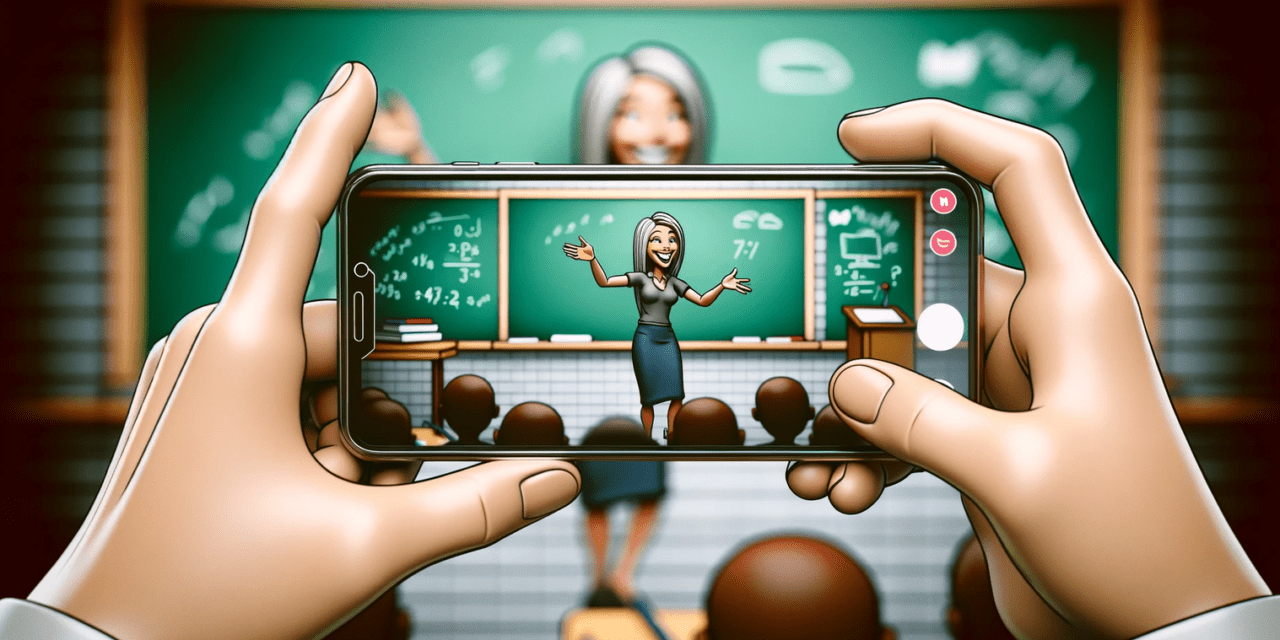
In a couple of my online safety CPD sessions over the past few weeks, students have mentioned TikToks they have seen of teachers in the classroom, and that inspired discussion about the issues with creating this kind of content.
The rise of TikTok has swept across the internet, capturing viewers with its short, engaging videos and an algorithm that keeps feeding you more of the same. While many teachers see its potential as a learning tool, others are documenting their classroom experiences on the platform. Search for “TeacherTok” to see what I mean.
This trend, while seemingly harmless, raises crucial questions about safeguarding, professional conduct, and the portrayal of teaching realities.
The Allure and the Risk:
Sharing classroom snippets might seem like a fun way to connect with colleagues or even inspire aspiring educators. However, it’s crucial to remember that classrooms are sensitive environments. Even blurred faces or obscured voices can potentially identify students, violating their privacy.
Additionally, posting classroom content opens teachers to accusations of unprofessional conduct, even if unintentionally. A misinterpreted clip could spark unnecessary concerns about classroom dynamics or teaching methods.
Also, if you’re focused on filming parts of your lesson are you concentrating on your own teaching?
Restrict filming to those times when the classroom is empty of children: before school, in breaks and after-school.
Beyond Blurred Lines:
Carefully curated video shorts on TikTok can paint an unrealistic picture of teaching. Perfectly choreographed lessons and seemingly effortless engagement might leave new teachers feeling overwhelmed and inadequate. Social media thrives on showcasing the highlights, not the day-to-day challenges and complexities of the profession. It’s important to promote realistic expectations and celebrate diverse teaching styles, not perpetuate a singular “ideal” that can be discouraging for newcomers.
Safeguarding First, Engagement Later:
The potential risks far outweigh the perceived benefits of filming in classrooms for personal social media accounts. As educators, our priority remains the safety and well-being of our students. This means prioritizing established communication channels with parents and avoiding platforms where safeguarding concerns are difficult to fully mitigate.
As always, check any safeguarding concerns with your school’s Designated Safeguarding Lead.
What can you do instead?
So basically, don’t create content in the middle of a lesson, even if the camera is just focused on you. So what else can you do?
There are many other avenues for teachers to use technology for professional development and engagement. Consider:
- Share teaching tips: Record yourself (outside of teaching hours) sharing things that have worked well for you. You could share links to great websites you have used.
- Creating educational resources: Showcase your expertise by developing lesson plans, activities, or instructional materials to share on platforms like TeachersPayTeachers/TES Resources or educational blogs.
- Engaging in professional communities: Utilize platforms like Twitter or Facebook groups dedicated to education to connect with colleagues, share best practices, and learn from each other’s experiences.
- Curating educational content: Compile inspiring resources, articles and share them with other educators via a blog, a newsletter or social media.
Remember, responsible social media use means prioritizing student safety and ethical representation of the teaching profession. By exploring alternative avenues for sharing your passion and expertise, you can contribute to a positive and supportive online community for educators, all while safeguarding the students entrusted to your care.
By making informed choices and prioritizing the well-being of our students, we can ensure that technology empowers our practice without compromising our ethical and professional responsibilities.
And if you are on TikTok, say hello. You can find me here.
Online Safety CPD Available
If you’re looking for online safety CPD for your staff, or you’re an ITE provider looking for CPD for your student teachers then please get in touch.
I can run sessions on online safety and professional responsibilities, safeguarding issues, online safety for students and more.

Frequently Asked Questions (FAQ) about Teachers Using Social Media in the Classroom
Q: Is it appropriate for teachers to use TikTok in the classroom?
A: Yes, when used appropriately, TikTok and other social media platforms can be effective educational tools. They can enhance engagement, provide relatable content, and help in teaching modern digital literacy skills. However, it’s crucial for teachers to maintain professional boundaries and ensure content is age-appropriate and educational.
Q: How can teachers use TikTok effectively for educational purposes?
A: Teachers can use TikTok to create short, engaging videos on topics related to their curriculum, share educational resources, and collaborate with students on creative projects. It’s also an excellent platform for teachers to model responsible social media use.
Q: What are the benefits of using social media like TikTok in education?
A: Social media can make learning more engaging and accessible, especially for visual and auditory learners. It offers opportunities for creative expression, enhances communication, and can help students develop digital literacy skills. Moreover, it can connect classroom learning with real-world scenarios.
Q: Are there any risks associated with teachers using social media in the classroom?
A: Yes, potential risks include distractions, exposure to inappropriate content, privacy concerns, and cyberbullying. To mitigate these risks, teachers should set clear guidelines for social media use, monitor content closely, and educate students on digital citizenship.
Q: How can teachers ensure student safety and privacy on platforms like TikTok?
A: Teachers should familiarize themselves with the platform’s privacy settings, only use school-approved accounts for educational purposes, and educate students about personal privacy online. Only include students on official school social media channels, never your own personal channel. It’s also important to obtain consent from guardians for students’ participation and ensure content sharing aligns with school policies. A teacher should never add a student as a friend on any social media channel.
Q: Can using TikTok help with professional development for teachers?
A: Absolutely. Teachers can follow educational influencers, participate in professional learning communities, and discover new teaching strategies and resources through TikTok. It’s a platform for continuous learning and sharing best practices within the teaching community.
Q: How can schools support teachers in using social media as an educational tool?
A: Schools can provide professional development on integrating social media into the curriculum, establish guidelines for appropriate use, and offer technical and pedagogical support. Encouraging a culture of innovation and open communication about digital tools can also foster successful integration.
Q: What are some best practices for teachers using TikTok and other social media in the classroom?
A: Teachers should:
- Keep content educational and appropriate.
- Maintain professional boundaries.
- Only include students on official school accounts, with parental permission. Not personal accounts.
- Never add students as friends on any social media platform
- Continuously monitor social media activity.
- Incorporate digital citizenship lessons into their curriculum.